

AI-powered customer communication is growing rapidly in 2026. Businesses today are expected to provide instant support, answer calls around the clock, and manage customer inquiries efficiently without increasing operational costs. This is exactly why AI answering service tools are becoming increasingly popular across industries. Modern AI answering services can handle customer calls, schedule appointments, qualify leads, answer FAQs, and route conversations automatically using voice AI and natural language processing. These tools help businesses improve response times while reducing dependency on large support teams. From small businesses to enterprise call centers, companies are now adopting AI virtual receptionist platforms to improve customer experience and streamline communication workflows.
In this guide, we’ll explore the best AI answering service tools in 2026, key features, benefits, use cases, and how businesses can choose the right solution.
What Is an AI Answering Service?
An AI answering service is a voice AI system that automatically handles incoming customer calls using artificial intelligence, speech recognition, and natural language processing.
These platforms can:
- Answer customer calls
- Understand spoken requests
- Respond conversationally
- Route calls intelligently
- Schedule appointments
- Capture lead information
- Transfer calls to human agents when needed
Modern AI call answering software uses machine learning and conversational AI to improve interactions over time.
AI Answering Service vs Traditional Call Answering
Traditional answering services usually rely on human agents to manage calls manually. While human receptionists offer personalized interactions, they are often expensive and difficult to scale for 24/7 operations.
AI virtual receptionist solutions offer:
- 24/7 availability
- Faster call handling
- Lower operational costs
- Automated workflows
- Scalability for growing businesses
Many businesses now combine AI answering services with human support teams for a hybrid customer service model.
Why Businesses Are Adopting AI Answering Services
Rising Demand for 24/7 Customer Support
Customers expect businesses to respond instantly regardless of time zones or working hours.
AI answering services help businesses provide:
- Round-the-clock support
- Faster response times
- Consistent customer communication
This is especially useful for healthcare, legal services, ecommerce, and service-based businesses.
Cost Efficiency Compared to Human Agents
Hiring and training full-time receptionists or call center staff can be expensive.
AI answering service software helps businesses:
- Reduce staffing costs
- Automate repetitive interactions
- Handle large call volumes efficiently
Improved Customer Experience with Voice AI
Modern voice AI customer service platforms sound increasingly natural and conversational.
Businesses can improve customer experience through:
- Faster issue resolution
- Reduced wait times
- Personalized interactions
- Intelligent call routing
Key Features of AI Answering Service Software
Natural Language Processing (NLP) Capabilities
NLP helps AI systems understand customer intent and respond conversationally during calls.
Advanced NLP improves:
- Call accuracy
- Conversation quality
- Voice interactions
- Intent recognition
Automated Call Routing and Handling
AI answering systems can automatically:
- Route calls to departments
- Transfer urgent requests
- Escalate support tickets
- Handle FAQs
This improves operational efficiency significantly.
CRM and Business Tool Integrations
The best AI call answering software integrates with:
- CRM systems
- Helpdesk tools
- Scheduling software
- Ecommerce platforms
- Communication systems
These integrations help businesses centralize customer information and workflows.
Multilingual Support and Voice Recognition
Many AI answering services now support:
- Multiple languages
- Voice recognition
- Accent understanding
- Regional language support
This is especially useful for global businesses.
Analytics and Reporting Dashboards
Analytics tools help businesses track:
- Call volumes
- Resolution rates
- Customer satisfaction
- Response times
- Agent performance
These insights help optimize customer communication strategies.
Top 10 AI Answering Service Tools
Google Dialogflow
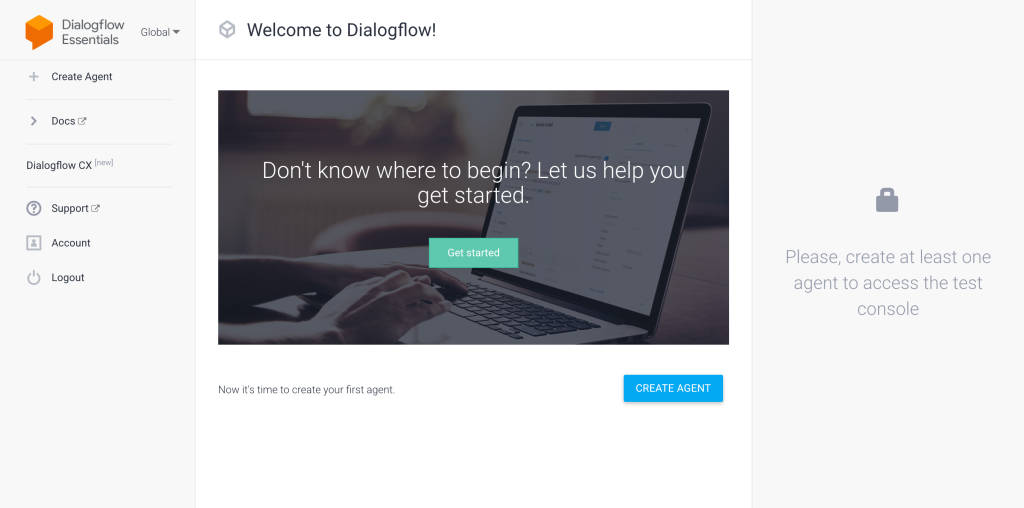
Google Dialogflow is one of the most widely used conversational AI platforms for building intelligent voice assistants, chatbots, and automated customer service experiences. Powered by Google’s natural language understanding technology, Dialogflow enables businesses to create sophisticated AI-powered conversations across phone systems, websites, mobile apps, messaging platforms, and contact centers. Organizations use Dialogflow to automate customer support, answer frequently asked questions, manage appointment scheduling, and deliver seamless self-service experiences at scale.
Top Features
- Advanced natural language understanding (NLU)
- AI-powered voice bot and chatbot creation
- Omnichannel customer communication support
- Google Cloud ecosystem integration
- Intent recognition and conversational workflows
- Speech-to-text and text-to-speech capabilities
- Multilingual support for global audiences
- Analytics and conversation performance monitoring
Best For
Enterprises, developers, and organizations looking to build custom conversational AI solutions with advanced automation and scalability requirements.
IBM Watson Assistant

IBM Watson Assistant is an enterprise-grade conversational AI platform designed to help organizations automate customer interactions across voice and digital channels. The platform combines artificial intelligence, natural language processing, and workflow automation to create virtual assistants capable of handling complex customer inquiries. Businesses use Watson Assistant to improve customer service efficiency, reduce support costs, and provide consistent customer experiences while integrating with existing enterprise systems.
Top Features
- AI-powered virtual assistants and chatbots
- Advanced NLP and intent recognition capabilities
- Workflow automation and process orchestration
- Enterprise-grade security and governance
- Omnichannel deployment options
- Human agent handoff capabilities
- CRM and enterprise software integrations
- Conversation analytics and reporting
Best For
Large enterprises, customer service teams, and organizations seeking secure, scalable AI-powered customer support and automation solutions.
Nextiva

Nextiva’s XBert AI Receptionist is an AI-powered virtual receptionist designed to help businesses answer calls, engage customers, qualify leads, and schedule appointments automatically. Built into Nextiva’s customer communication platform, XBert enables businesses to provide 24/7 phone coverage without relying solely on human receptionists.
Top Features
- 24/7 AI call answering
- Automated appointment scheduling
- AI-powered lead capture and qualification
- Intelligent call routing and transfers
- CRM and calendar integrations
- Real-time call transcripts and summaries
Best For
Small businesses, service-based companies, healthcare providers, home services, and organizations looking to automate customer communications while maintaining a professional caller experience.
Amazon Lex
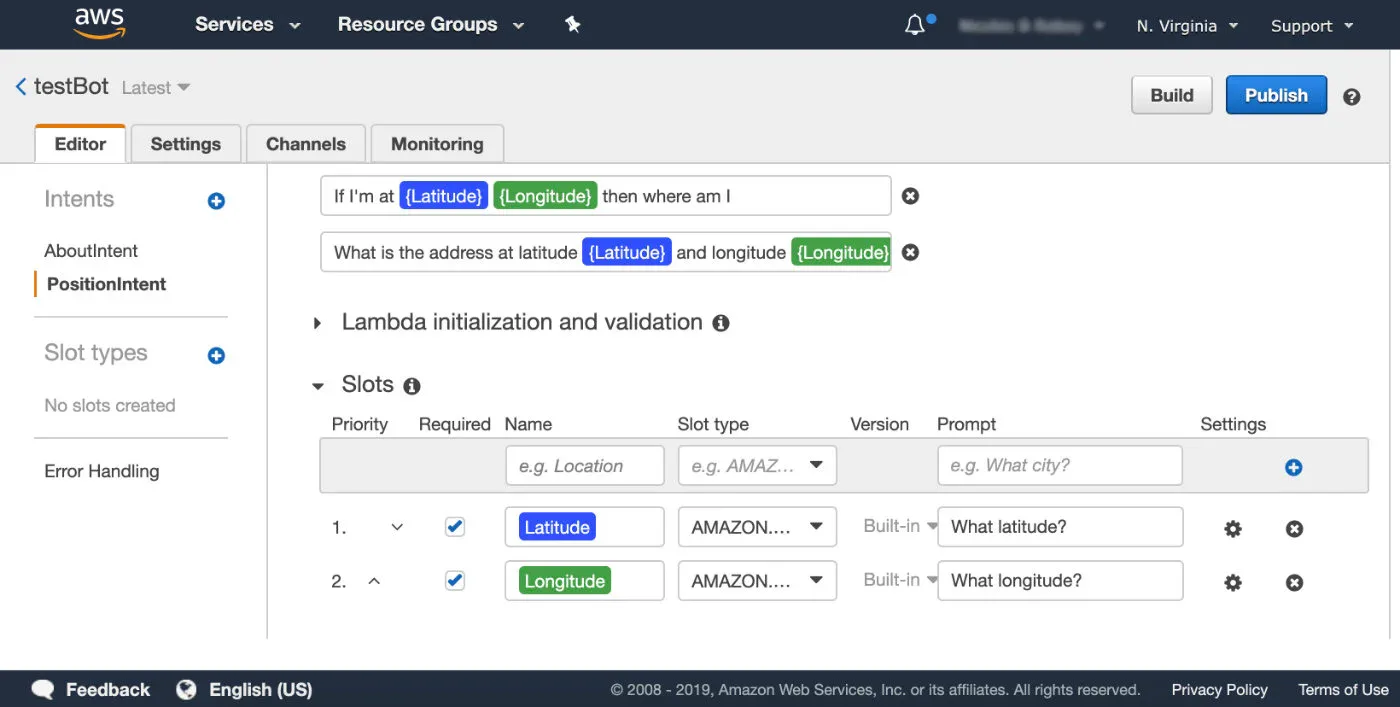
Amazon Lex is a conversational AI service that allows businesses to build intelligent voice and chat applications using the same core technologies that power Amazon Alexa. The platform helps organizations automate customer interactions through natural conversations, voice recognition, and AI-driven workflows. Businesses leverage Amazon Lex to create virtual assistants, self-service support systems, automated call handling solutions, and customer engagement applications that scale seamlessly with demand.
Top Features
- Automatic speech recognition and voice processing
- Conversational AI and chatbot development
- Native AWS ecosystem integration
- Scalable cloud infrastructure
- Intent recognition and dialogue management
- Multi-language support
- Integration with contact center solutions
- Pay-as-you-scale deployment model
Best For
Businesses already operating within the AWS ecosystem and organizations looking to build scalable AI-powered voice and chat experiences.
Microsoft Azure Bot Service

Microsoft Azure Bot Service is a cloud-based platform that enables businesses to build, deploy, and manage intelligent AI-powered bots for customer communication, support automation, and business process workflows. Integrated with Microsoft’s AI and cloud services, the platform allows organizations to create conversational experiences across websites, messaging channels, mobile applications, and enterprise systems. Azure Bot Service helps businesses automate routine customer interactions while maintaining seamless integration with existing Microsoft technologies.
Top Features
- AI-powered bot development and deployment
- Natural language processing capabilities
- Omnichannel communication support
- Microsoft Azure ecosystem integration
- Enterprise-grade security and compliance
- Integration with Microsoft Teams and Dynamics 365
- Custom conversational workflows
- Analytics and performance monitoring
Best For
Enterprises, IT teams, and organizations heavily invested in Microsoft’s cloud and productivity ecosystem.
Smith.ai

Smith.ai is a customer communication platform that combines AI-powered call answering, virtual receptionist services, and live agent support to help businesses improve responsiveness and capture more opportunities. The platform uses automation to answer calls, qualify leads, schedule appointments, and engage customers while providing access to human receptionists when needed. Businesses use Smith.ai to ensure every customer interaction is handled professionally, even during peak hours or after business hours.
Top Features
- AI-powered call answering and customer engagement
- Automated lead capture and qualification
- Appointment scheduling and calendar management
- Live receptionist support and human escalation
- Intelligent call routing and transfers
- Website chat and customer messaging tools
- CRM and business software integrations
- Call analytics and performance reporting
Best For
Small businesses, professional services firms, law offices, healthcare providers, and growing organizations that want to automate customer communications while maintaining a high-touch customer experience.
Ruby Receptionists
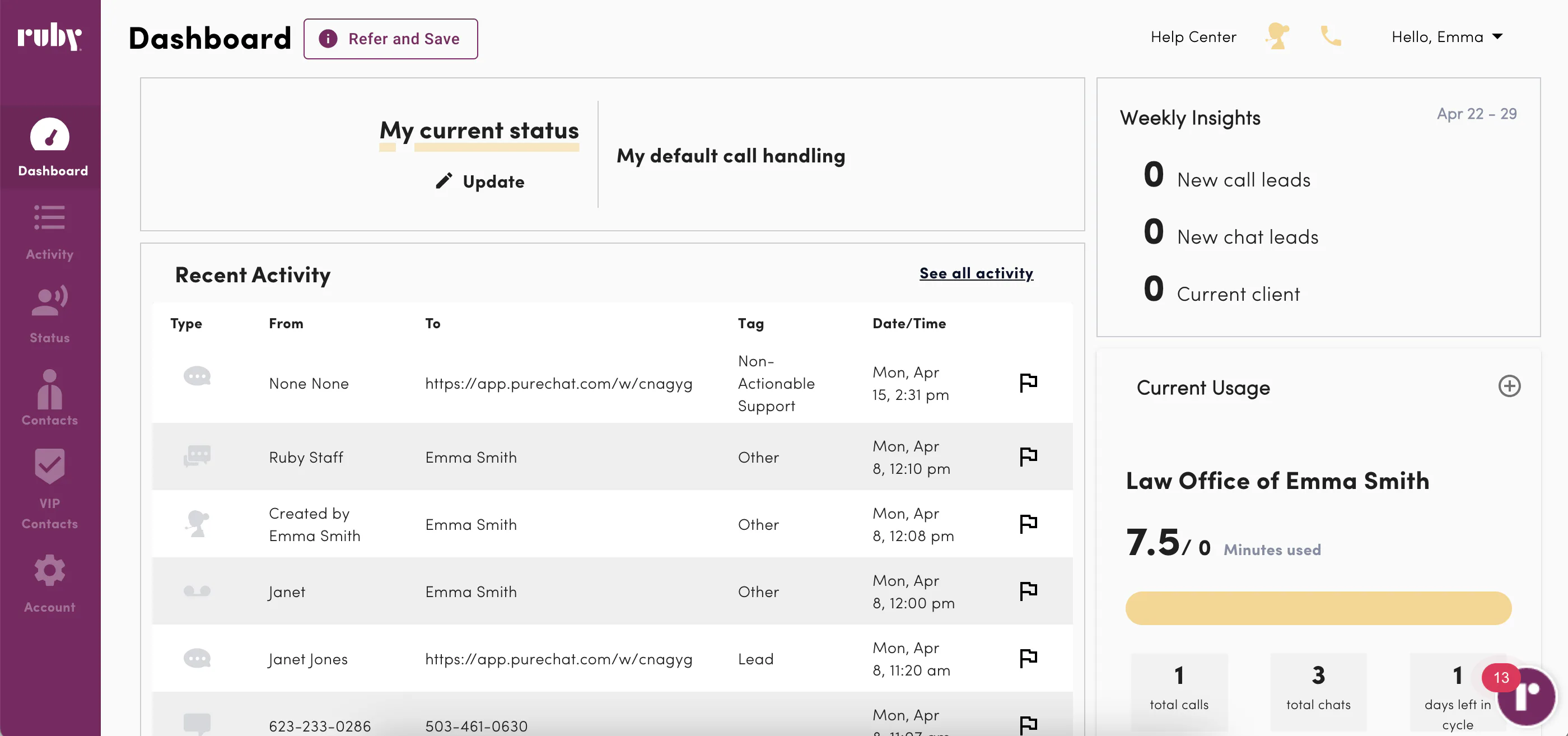
Ruby is a virtual receptionist and customer communication platform designed to help businesses deliver a professional caller experience without maintaining a full-time front desk team. The platform combines live receptionist services with AI-assisted communication tools to ensure customer calls, messages, and appointment requests are handled efficiently. Ruby helps businesses capture more leads, improve customer responsiveness, and maintain consistent communication during and after business hours.
Top Features
- Virtual receptionist services for inbound call handling
- AI-assisted customer communication workflows
- Call forwarding and intelligent call routing
- Appointment scheduling and calendar management
- Customer messaging and live chat support
- Lead capture and qualification
- Custom call handling instructions
- Business call analytics and reporting
Best For
Service-based businesses, professional services firms, legal practices, healthcare providers, home service companies, and small to mid-sized businesses that want a professional receptionist experience without hiring additional staff.
VoiceNation
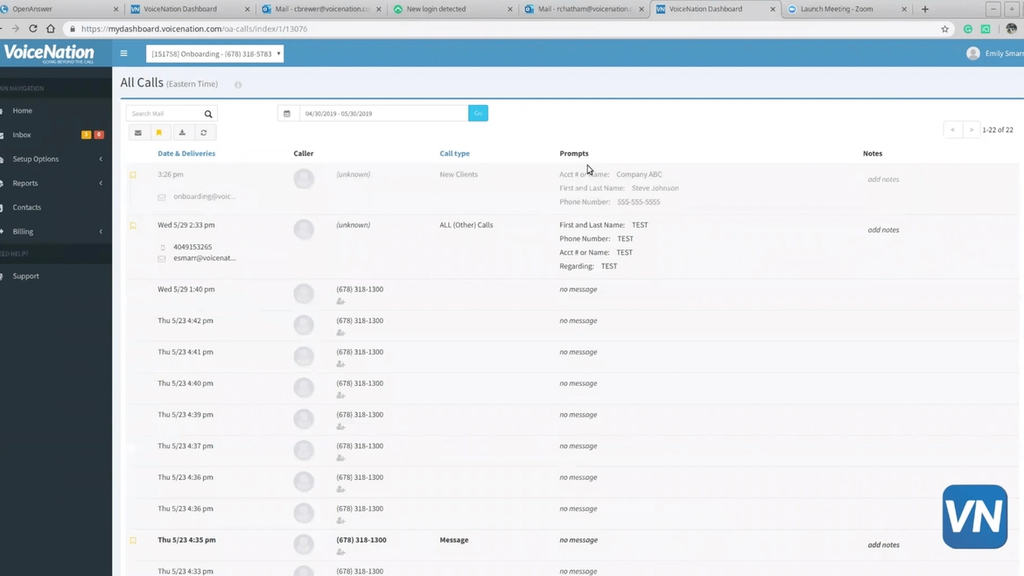
VoiceNation is a business answering service platform that combines live receptionists, automated call handling, and virtual communication solutions to help organizations improve customer accessibility. The platform enables businesses to provide 24/7 call coverage, manage customer inquiries more effectively, and ensure important calls are never missed. VoiceNation is widely used by businesses that need reliable call answering services while maintaining a high level of customer service.
Top Features
- 24/7 live and automated answering services
- Intelligent call routing and call forwarding
- Appointment scheduling and message management
- Multilingual support for diverse customer bases
- Lead capture and customer intake services
- Customized call handling workflows
- Voicemail management and message delivery
- Business communication reporting and analytics
Best For
Small businesses, growing companies, healthcare practices, legal firms, contractors, and organizations that need around-the-clock call coverage and professional customer communication without building a large in-house support team.
Talkdesk AI

Talkdesk AI is an enterprise-grade customer experience platform that combines artificial intelligence, automation, and cloud contact center capabilities to help businesses manage customer interactions more efficiently. The platform uses AI to automate routine inquiries, assist agents during conversations, and improve customer support operations across multiple communication channels. Organizations use Talkdesk AI to reduce response times, increase first-contact resolution rates, and deliver more personalized customer experiences at scale.
Top Features
- AI-powered customer support automation
- Intelligent virtual agents for voice and digital channels
- Automated call routing and workforce optimization
- Omnichannel communication management
- Real-time agent assistance and recommendations
- Customer sentiment analysis
- Analytics and performance dashboards
- CRM and enterprise software integrations
Best For
Large enterprises, contact centers, and customer support teams looking to automate high-volume customer interactions while improving service quality and operational efficiency.
Dialpad AI
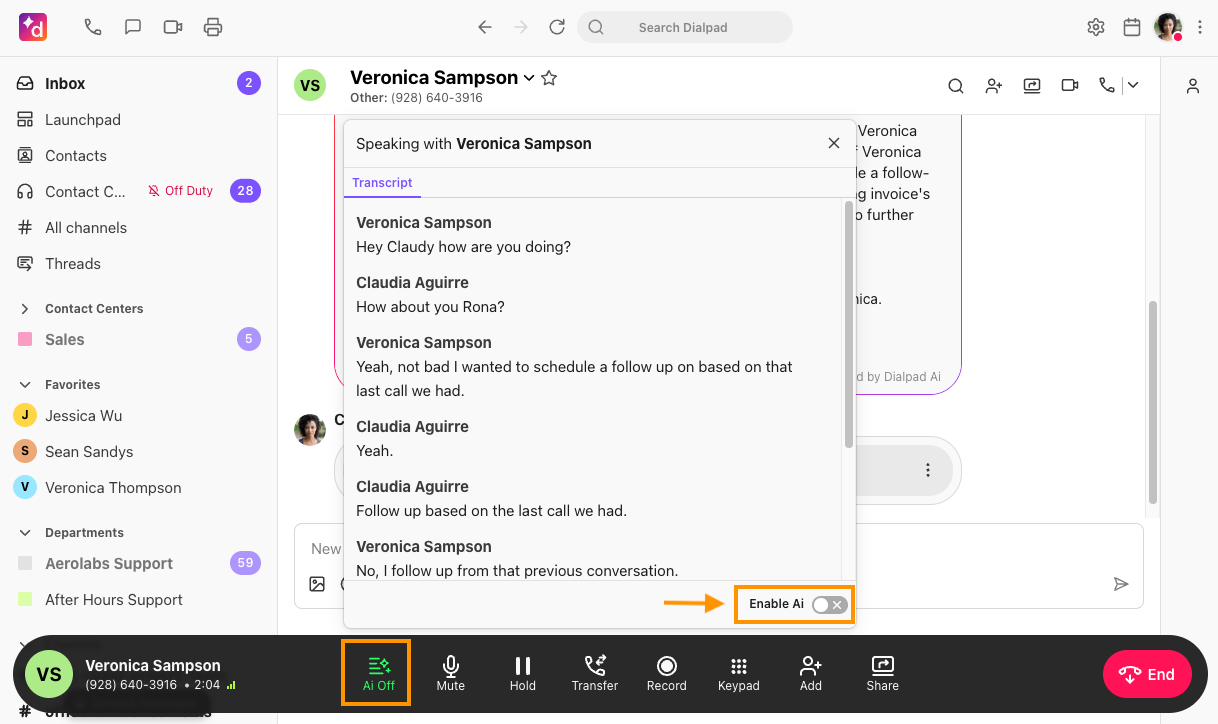
Dialpad AI is a cloud-based business communications platform that combines voice, video, messaging, and contact center capabilities with built-in artificial intelligence. The platform uses real-time voice intelligence to transcribe conversations, generate call summaries, identify customer sentiment, and provide actionable insights for sales and support teams. Businesses use Dialpad AI to streamline communications, improve team productivity, and gain deeper visibility into customer interactions.
Top Features
- AI-powered call transcription and voice intelligence
- Automated call summaries and action items
- Real-time coaching and agent assistance
- Unified voice, video, and messaging platform
- Customer sentiment and conversation analytics
- AI-driven contact center capabilities
- CRM and productivity tool integrations
- Business communication reporting and insights
Best For
Businesses of all sizes looking to modernize customer communications, improve collaboration, and leverage AI-powered insights across sales, support, and contact center operations.
Benefits of Using AI Virtual Receptionist Solutions
Reduced Operational Costs
AI answering services reduce the need for large customer support teams and lower operational expenses.
Faster Response Times
Customers can receive immediate assistance without long wait times or missed calls.
Scalability for Growing Businesses
AI systems can handle increasing call volumes without major infrastructure changes.
Enhanced Customer Satisfaction
Quick responses and 24/7 availability often improve overall customer experience and satisfaction.
Common Use Cases of AI Call Answering Software
Customer Support Automation
Businesses use AI voice systems to automate:
- FAQs
- Order tracking
- Basic troubleshooting
- Account inquiries
Appointment Scheduling and Booking
AI virtual receptionists can schedule:
- Consultations
- Meetings
- Service appointments
- Reservations
without manual staff involvement.
Lead Qualification and Capture
AI systems can:
- Collect caller information
- Qualify leads
- Route sales inquiries
- Capture customer intent
After-Hours Call Handling
Businesses can continue answering calls even outside regular business hours using AI-powered voice systems.
How to Choose the Right AI Answering Service
Identify Your Business Needs
Businesses should first determine whether they need:
- Appointment scheduling
- Customer support automation
- Lead capture
- After-hours answering
- Enterprise voice AI workflows
Evaluate AI Capabilities and Accuracy
Look for platforms with:
- Strong NLP capabilities
- Accurate voice recognition
- Natural conversational flows
- Multilingual support
Check Integration and Compatibility
The ideal platform should integrate with:
- CRM software
- Scheduling tools
- Helpdesk systems
- Communication platforms
Compare Pricing and Scalability
Businesses should evaluate:
- Monthly pricing
- Usage-based costs
- Scalability
- Enterprise support options
Best Practices for Implementing AI Answering Services
Train AI with Real Customer Interactions
AI systems improve significantly when trained using real customer conversations and business-specific workflows.
Combine AI with Human Support
Many businesses use hybrid models where AI handles routine tasks while human agents manage complex interactions.
Continuously Monitor and Optimize Performance
Businesses should regularly analyze:
- Call accuracy
- Customer satisfaction
- Response times
- AI performance metrics
Ensure Data Privacy and Compliance
AI answering services should comply with industry security and data privacy regulations.
Challenges and Limitations of AI Answering Services
Handling Complex Customer Queries
AI systems may still struggle with highly emotional or complicated customer interactions.
Initial Setup and Training Effort
Some AI answering platforms require significant setup, customization, and workflow training.
Dependence on Data Quality
AI performance depends heavily on high-quality training data and accurate workflows.
Future Trends in AI Answering Services
Conversational AI Advancements
Voice AI is becoming more natural, contextual, and human-like with rapid AI model improvements.
Voice AI Personalization
Future systems will deliver more personalized customer interactions using behavioral and contextual data.
Integration with Omnichannel Support Systems
AI answering services are increasingly becoming part of broader omnichannel customer engagement platforms.
FAQs
What is an AI answering service and how does it work?
An AI answering service uses conversational AI, voice recognition, and automation to answer customer calls and manage interactions automatically.
What is the difference between an AI virtual receptionist and a traditional answering service?
Traditional services rely on human agents, while AI virtual receptionists automate call handling using artificial intelligence and voice AI.
Which is the best AI answering service for small businesses?
Popular options include Smith.ai, Ruby, and VoiceNation.
How accurate are AI call answering software solutions?
Modern AI answering systems are highly accurate for routine conversations, FAQs, call routing, and appointment scheduling.
Can AI answering services handle complex customer queries?
They can handle many common requests, but complex or emotional interactions may still require human agents.
How much does an AI answering service cost?
Pricing varies depending on call volume, AI capabilities, integrations, and enterprise requirements.
What features should I look for in an automated call answering service?
Important features include:
- NLP capabilities
- Call routing
- CRM integrations
- Multilingual support
- Analytics dashboards
- Appointment scheduling
Are AI answering services secure and compliant with data regulations?
Most enterprise-grade AI answering platforms offer encryption, compliance support, and secure customer data handling.
