

Managing on-site operations shouldn’t drain your resources or patience. Without proper systems, businesses grapple with inefficiencies, miscommunication, and lost revenue opportunities. Enter field service management software, a game-changer that brings order, clarity, and control to your operations. By adopting this technology, companies can optimize their workforce, enhance customer satisfaction, and boost profitability.
Expect actionable insights on how investing in field service management software can elevate your business performance.
Table of Contents
The Current Challenges in Field Service Management
Managing field operations involves juggling multiple components, from scheduling tasks to ensuring customer satisfaction. Many businesses still rely on outdated methods like spreadsheets or paper-based systems, which are prone to errors and inefficiencies. Common challenges include:
- Inefficient Scheduling: Assigning the right task to the right technician can be complex without real-time data.
- Resource Wastage: Poor planning often leads to unnecessary travel and underutilized resources.
- Customer Dissatisfaction: Delays and lack of communication can erode trust.
- Data Silos: Without centralized systems, accessing and analyzing data becomes cumbersome.
These challenges highlight the need for a solution that simplifies processes while addressing inefficiencies.
Key Benefits of Field Service Management Software
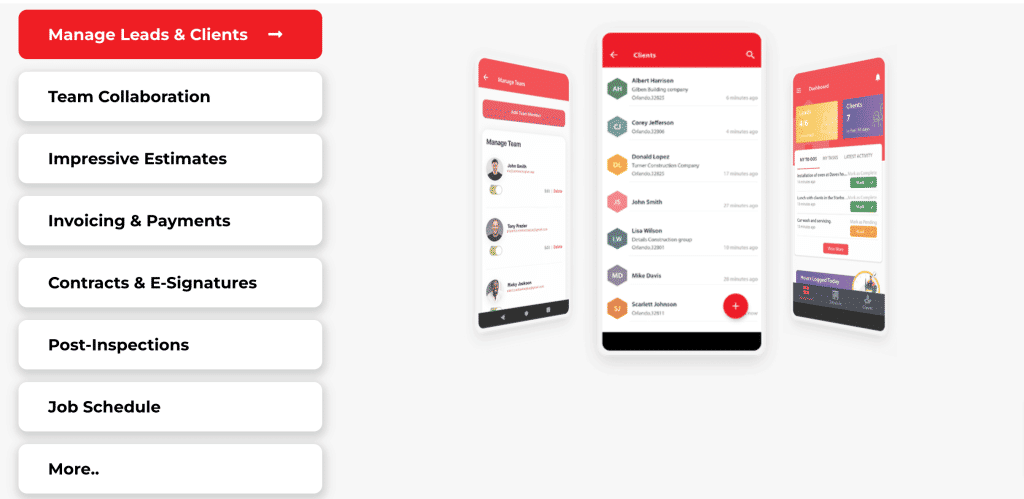
These are the main benefits that improve efficiency and customer satisfaction in your field operations.
Enhanced Operational Efficiency
FSM software automates repetitive tasks, such as scheduling and dispatching, reducing manual errors and saving time. Integration with existing systems ensures smooth workflows across departments.
Improved Customer Experience
With real-time updates and faster response times, customers are kept informed throughout the service process. This transparency builds trust and loyalty.
Cost Optimization
By minimizing travel, reducing downtime, and automating processes, FSM software significantly lowers operational costs.
Real-Time Data Accessibility
Technicians can access job details on the go, while managers gain insights through centralized dashboards. This empowers teams to make informed decisions quickly.
Better Resource Utilization
Intelligent scheduling tools match tasks with technicians based on skills, location, and availability, ensuring optimal use of resources.
The Competitive Edge: Going Beyond Basics
You can stand out in the market by using field service management software that delivers unique capabilities beyond the standard offerings.
Utilizing AI and IoT for Predictive Analytics
Modern FSM solutions incorporate AI to analyze data patterns and predict maintenance needs before breakdowns occur. IoT integration enables real-time monitoring of equipment health, preventing costly disruptions.
Sustainability and Green Operations
FSM software helps businesses reduce their carbon footprint by optimizing routes and eliminating paper-based processes. This aligns with growing environmental concerns while cutting costs.
Employee Satisfaction and Retention
Simplifying workflows with user-friendly tools reduces stress for technicians, boosting morale and retention rates.
Industry-Specific Applications of FSM Software
FSM software caters to diverse industries, offering tailored solutions for unique challenges:
- Construction: Efficiently manage remote teams and equipment at multiple sites.
- HVAC & Refrigeration: Ensure compliance with safety standards while maintaining equipment uptime.
- Healthcare: Minimize downtime for critical medical equipment.
- Telecommunications: Streamline large-scale field operations with real-time updates.
Actionable Steps for Implementing FSM Software
Investing in FSM software requires careful planning to maximize its benefits:
- Assess Business Needs: Identify pain points in your current field operations.
- Select the Right Solution: Choose software that aligns with your industry requirements.
- Train Your Team: Ensure employees understand how to use the software effectively.
- Monitor ROI: Track improvements in efficiency, cost savings, and customer satisfaction post-implementation.
Trends Shaping FSM Software
The future of FSM lies in advanced technologies like augmented reality (AR) for remote assistance, blockchain for secure data sharing, and AI for continuous optimization.
As industries embrace digital transformation, adopting FSM software positions businesses as leaders in innovation and operational excellence.
Which Field Service Management Software to Choose?
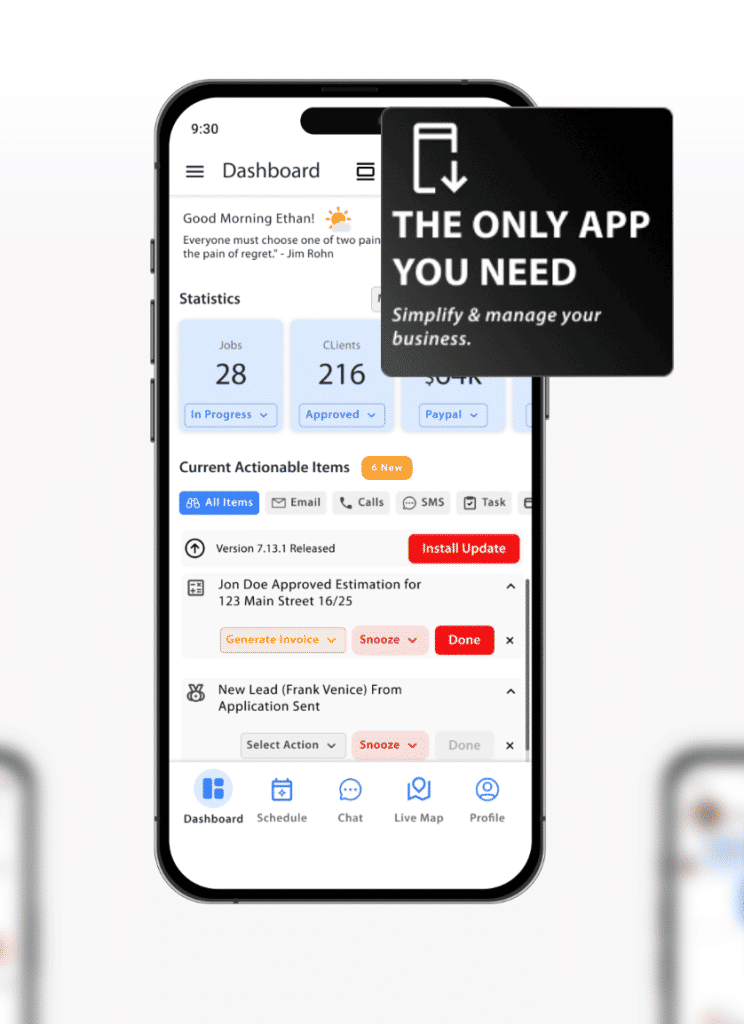
Choosing the right field service management software depends on your business size, industry, and specific needs. Contractor+ is an all-in-one and affordable choice. While Jobber vs Housecall Pro are also great choices and are kind of industry giants.
Jobber is a great choice for small to medium-sized businesses offering home services. It provides features like scheduling, invoicing, and client management, making it ideal for businesses looking for an intuitive platform to organize daily operations. Its pricing starts at $35/month, but advanced features require higher-tier plans.
For larger teams, Housecall Pro stands out with its real-time scheduling, dispatching, and CRM tools. It’s designed to handle more complex workflows and prioritize team coordination. Starting at $49/month, it offers excellent customer communication tools but scales better with higher-tier plans like Essentials or Max for larger operations.
If you’re in a specialized trade, Contractor+ is customized to your needs. It includes advanced estimating tools, contract management, and flexible pricing options without strict user limits. Contractor+ is a cost-effective solution ($29/month) for contractors who need detailed job bids and industry-specific features.
Final Verdict
Field Service Management software is more than just a tool—it’s an investment in efficiency, sustainability, and growth. By addressing operational challenges and unlocking new opportunities through advanced features like AI and IoT integration, FSM software empowers businesses to stay competitive while delivering exceptional value to customers.
Investing in FSM software isn’t just about solving today’s problems; it’s about preparing your business for a smarter, more connected future.
