

One of the key challenges e-commerce entrepreneurs face is choosing the right dropshipping platform to sell their products without worrying about managing physical inventory, warehouse payments, and shipping orders. Choosing the right dropshipping solution is also key to building a trusted brand, avoiding shipping delays, enhancing customer satisfaction, and scaling your operations with minimal investment.
In this blog, we’ll look at two top dropshipping platforms, Doba and Zendrop, and compare their features and pricing to help you choose the right platform for 2026.
Doba vs Zendrop: Quick Comparison
Both Doba and Zendrop help ecommerce retailers source products, but their supplier models differ significantly. Doba connects sellers with multiple suppliers through one operations platform, while Zendrop provides a more managed sourcing and fulfillment workflow. The table below highlights these differences:
| Dimension | Doba | Zendrop |
| Best For | Retailers seeking broader sourcing, multichannel operations, and connected AI tools. | Sellers preferring managed sourcing and fulfillment with simpler supplier coordination. |
| Starting Price | $29.99/month; $28.66/month with quarterly billing | $29/month for 1 to 20 linked products under usage-based billing |
| Free Plan | No free plan; $0.99 trials are available for eligible plans | $0 for catalog browsing only; product importing and order processing require a paid tier |
| Catalog Size | 1M+ SKUs | 1M+ product variations |
| Supplier Model | Multi-supplier network with centralized operations workflows | Managed sourcing model |
| Shipping Speed | Approximately 90% of products are stocked in U.S. warehouses; speed varies by product, supplier, destination, and shipping method | U.S.- and China-shipping options are available; speed varies by product and destination |
| Custom Branding | Supplier-dependent branding and packaging options | Thank-you cards; advanced private labeling and custom packaging mainly via the Private Agent Program |
| AI Tools | AI Tool Hub + Pilot | AI Tools + MCP |
| Platform Integrations | Shopify, Amazon, eBay, Wix, WooCommerce, BigCommerce, Walmart, TikTok Shop, and others | Shopify, TikTok Shop US, ClickFunnels, and Wix |
What is Doba?
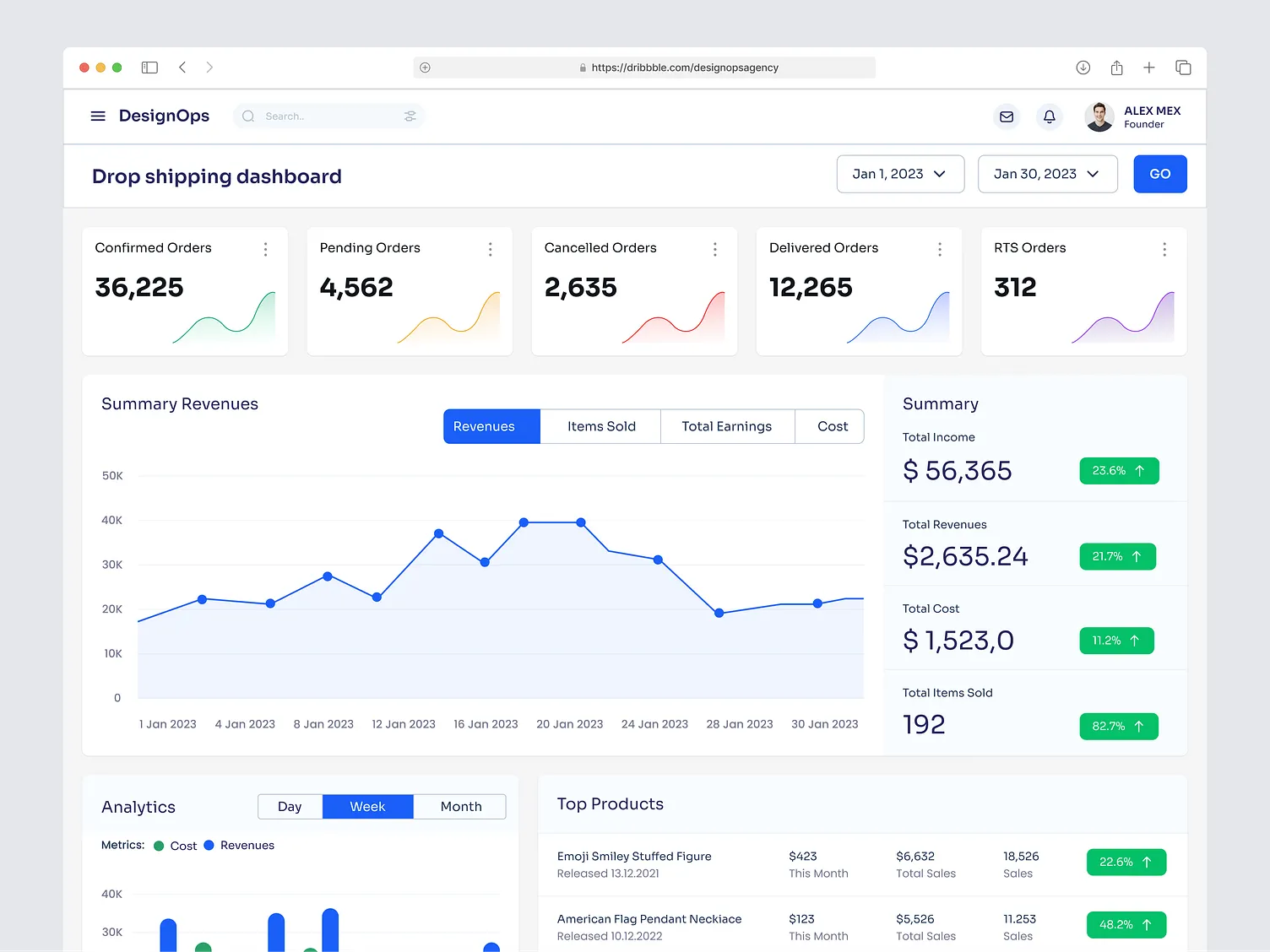
Doba is an AI-powered dropshipping operations platform designed to help U.S.-focused online retailers source products and manage day-to-day dropshipping workflows from one system. Doba brings together a multi-supplier product network, product listing tools, inventory monitoring, order management, e-commerce integrations, and AI-assisted workflows rather than functioning only as a supplier directory.
Sellers can work with products from multiple suppliers while using Doba to centralize listings, inventory updates, orders, and connected sales channels. It also links directly with major shopping websites, such as Amazon, eBay, and Shopify, to automate the sales process.
Key Features:
- Order Management: Orders from supported connected stores can sync with Doba and move through its supplier fulfillment workflow.
- Inventory Syncing: Provides real-time updates on stock levels.
- AI Tools: Combines AI Tool Hub for targeted tasks with Doba Pilot for connected operations.
- After-Sales Protection Services: Helps retailers manage eligible order issues through Doba’s structured after-sales support process.
- E-Commerce Integrations: Offers one-click connections with major shopping websites.
- Centralized Dashboard: Enables browsing and managing products from multiple suppliers in one place.
Pros:
- Offers an easy-to-navigate platform, making it easy to discover products and filter search results.
- It doesn’t require minimum orders, which means you can buy one item at a time.
- It minimizes the risk of overselling by syncing inventory in real time.
Cons:
- Higher Doba tiers cost more as sellers require larger catalogs and integration limits.
- Branding and packaging options depend on individual suppliers.

Doba
What is Zendrop?
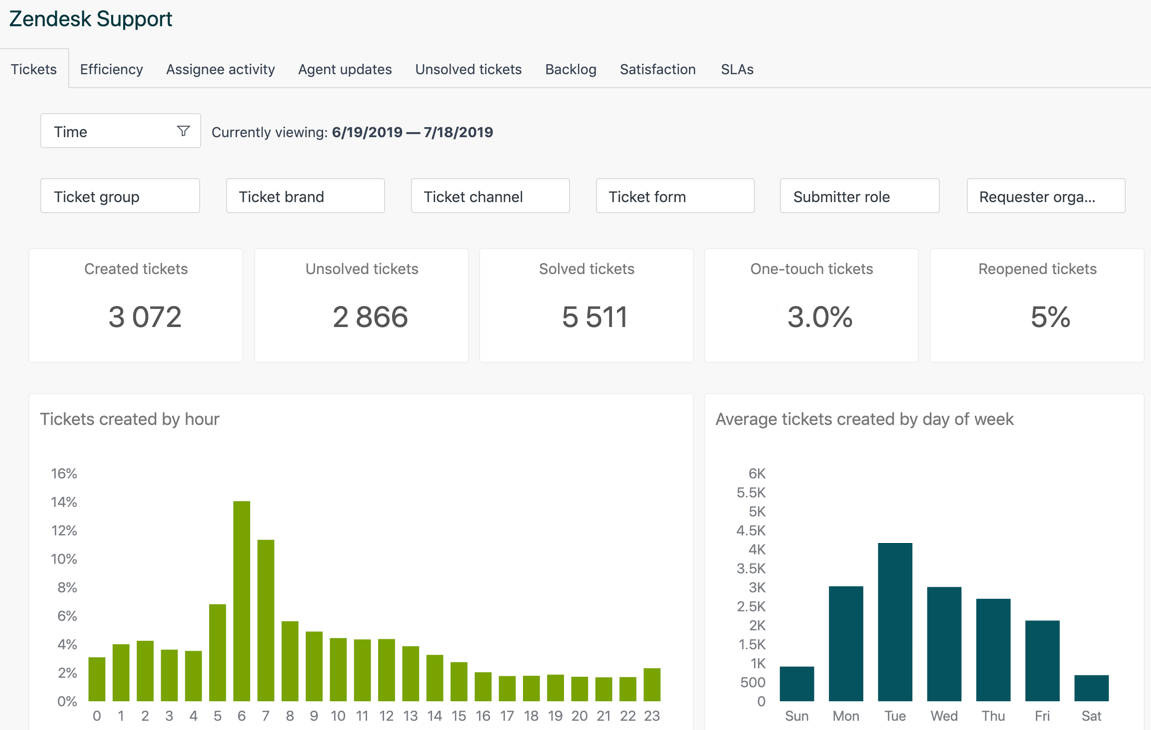
Zendrop is a dropshipping platform that connects e-commerce vendors with screened suppliers to automate order fulfillment. It was founded to eliminate common issues, such as unreliable shipping times and fluctuating product quality. Platform users can easily import products without investing in warehouses to hold physical inventory.
Key Features:
- Automated Order Fulfilment: Processes and fulfills orders automatically, eliminating manual ordering.
- Reliable Shipping: Offers U.S.-based products; delivery varies by product and destination.
- Custom Branding & Private Labeling: Supports branded thank-you cards, while advanced private labeling, logo printing, and custom packaging are primarily available through its Private Agent Program.
- Print-On-Demand (POD): Merchants can upload custom designs on blank products.
- Zendrop Academy: Offers built-in training courses, live coaching sessions, and educational resources.
Pros:
- Reduces manual work by automating order processing and fulfilment.
- Offers an intuitive dashboard that is easy to navigate even for new e-commerce entrepreneurs.
- Helps users build a unique store identity by allowing private labeling and custom branding options.
Cons:
- Accessing advanced features requires subscribing to higher-priced plans.
- Product and fulfillment costs can vary across sourcing platforms, so sellers should compare landed costs on a product-by-product basis.
Doba vs Zendrop: Pricing Compared
One area where Doba and Zendrop differ significantly is their pricing structure. Below is a detailed explanation of the various pricing plans each of the platforms offers:
Doba Pricing
Doba offers monthly, quarterly, and annual subscription options. The monthly Limited plan starts at $29.99/month, while quarterly billing reduces the effective monthly cost to $28.66. View Doba pricing.
The prices below reflect Doba’s current monthly billing rates, shown as the effective monthly cost.
- Limited: $29.99/month
- Basic: $59.99/month
- Standard: $149.99/month
- Enterprise: $299.99/month
Doba offers a 7-day Basic trial and a 5-day Standard trial, each priced at $0.99.
Zendrop Pricing
Zendrop has two billing models. Usage-Based Billing is the current model for new users, while eligible existing users may remain on legacy Standard plans. Under UBB, monthly charges depend on the highest number of linked products reached during the billing cycle:
- 0 linked products: $0/month
- 1 to 20: $29/month
- 21 to 100: $49/month
- 101+: $79/month, capped
Legacy Standard plans are billed directly through Zendrop at $49/month or $399/year for Pro and $79/month or $549/year for Plus.
UBB charges are based on peak linked-product usage during each billing cycle. Unlinking products later does not reduce a tier already triggered during that cycle.
Doba
Doba vs Zendrop: Detailed Feature Comparison
To determine which of these platforms is better, below is a detailed comparison of their key features:
1. Product Catalog and Product Variety
- Doba: Doba provides access to 1M+ SKUs through a network of vetted suppliers. Its product selection spans categories including home, apparel, outdoor gear, electronics, and more.
- Zendrop: Zendrop offers access to 1M+ product variations through a curated, agent-assisted model, along with trending-product discovery and product sourcing options.
- Winner: Catalog size alone is not decisive. Doba emphasizes the multi-supplier network model while Zendrop follows a more managed sourcing and fulfillment model.
2. Supplier Network and Product Sourcing
- Doba: Doba uses a multi-supplier network model, giving retailers access to products from multiple approved suppliers within one platform. The main USP is that sellers can compare sourcing options and manage products, listings, inventory, and orders centrally. This approach suits retailers that value supplier diversity, sourcing flexibility, and broader operational control across channels.
- Zendrop: Zendrop uses a managed sourcing and fulfillment model and acts as an intermediary for sellers. It handles supplier communication, sourcing, and fulfillment coordination within its platform. This approach suits merchants who prefer simpler supplier management and less involvement in sourcing operations.
- Winner: Doba suits retailers prioritizing supplier choice and control, while Zendrop suits sellers preferring managed sourcing and fulfillment coordination workflows.
3. Shipping and Fulfillment
- Doba: Approximately 90% of products are stocked in U.S. warehouses. Doba also provides delivery tracking, inventory syncing, and access to products from multiple suppliers. Delivery times still vary by product, supplier, warehouse location, destination, carrier, and shipping method.
- Zendrop: Zendrop offers tiered shipping speeds, such as economy, standard, and express. It offers U.S.-based and China-based fulfillment with automated tracking. Delivery times vary based on factors such as product origin, destination, processing time, carrier, and available shipping method for each order.
- Winner: Neither platform universally wins on shipping. Both offer U.S.-based products; delivery depends on product, warehouse, destination, and shipping method.
4. Ecommerce Integrations
- Doba: Doba supports integrations with Shopify, Amazon, eBay, Wix, WooCommerce, BigCommerce, Walmart, TikTok Shop, and other ecommerce channels. Availability of specific Doba Pilot workflows varies by connected sales channel.
- Zendrop: Zendrop’s simpler interface can appeal to entrepreneurs who want a streamlined storefront and fulfillment workflow. It integrates directly with platforms like Shopify, TikTok Shop US, and Wix.
- Winner: Overall, Doba is recommended for ecommerce integrations, while Zendrop is preferred for plug-and-play simplicity.
5. Branding and Customization
- Doba: Users requiring package customization, branding, and labeling must rely on individual third-party suppliers, as Doba does not offer a centralized program for physical package inserts.
- Zendrop: Zendrop supports branded thank-you cards. Advanced private labeling, logo printing, and custom packaging are primarily available through its invite-only Private Agent Program and may require minimum order volumes or upfront payment.
- Winner: Zendrop has an edge for centralized branding options for qualifying users, while Doba is better for retailers who value supplier flexibility and want to explore branding opportunities across multiple suppliers.
6. Automation and AI Tools
- Doba: Doba separates its AI capabilities into the AI Tool Hub and Doba Pilot. While both are designed to reduce manual work, they serve different purposes within the retailer workflow.
The AI Tool Hub provides task-specific tools for product research, store building, listing optimization, product image creation, automated listing, and catalog migration. For example, AI Pickr helps identify high-demand products, AI Listing Optimizer helps improve product titles and descriptions, and AI Image Studio helps enhance product visuals.
Doba Pilot, in contrast, acts as a conversational AI agent that connects multiple parts of the workflow. Retailers can describe what they want to accomplish, and Pilot can help move the process from market research and product sourcing to store setup, listing creation, publishing, and order-related tasks. Its Market Scout capabilities can evaluate demand, competition, and seasonality before connecting research findings with products and suppliers available through Doba. Supported actions and publishing capabilities vary by connected sales channel and may require retailer review or confirmation.
- Zendrop: Zendrop combines AI-powered creative tools with operational automation. Its AI Video Studio can generate UGC-style product videos, avatars, and scripts for ads and social media.
Zendrop also supports MCP, which connects compatible AI assistants with store data to help sellers discover products, check orders, estimate shipping, review inventory information, and perform supported fulfillment actions through conversational commands.
- Winner: Doba offers a broader connected AI workflow from research and sourcing to multichannel listing and fulfillment, while Zendrop focuses more on marketing content and managed fulfillment.
7. Ease of Use and Setup
- Doba: Doba offers a structured setup with a guided tour of its comprehensive marketplace and AI-assisted tools. Its robust dashboard offers a wide range of features with granular control over the independent suppliers.
- Zendrop: Zendrop’s interface is specifically designed for beginners and Shopify merchants, offering them a simple, plug-and-play setup. It has a visually minimalist interface providing access to various features with just a few clicks.
- Winner: Zendrop has an edge for beginners prioritizing simplicity and quick setup, while Doba is better suited to retailers who want broader operational control and more tools as they scale.
Doba
Doba vs Zendrop: Which One Should You Choose?
As we come to the end of this blog, it’s time to answer the key question – which dropshipping platform should you choose? We recommend that you:
- Choose Doba if: you want multi-supplier sourcing, broader supplier choice, centralized inventory and order workflows, multi-channel selling, and AI-assisted operations for managing a larger or more complex product catalog overall.
- Choose Zendrop if: you prefer a managed sourcing and fulfillment model, simpler supplier coordination, automated order handling, and branding options for a streamlined storefront operation with less supplier-side involvement in daily operations.
Final Verdict
Whether you are a beginner or an experienced online retailer, choosing the right dropshipping platform depends on your sourcing model, sales channels, operational needs, and growth priorities.
Doba is the better choice for U.S.-focused retailers that need supplier diversity, multi-channel operations, larger catalog management, and AI-assisted workflows. Zendrop is better suited to sellers who prioritize streamlined fulfillment, simpler supplier management, and branding support. Ultimately, Doba offers greater operational flexibility, while Zendrop also provides a managed dropshipping experience.
Explore Doba to find products, connect your sales channels, and manage your dropshipping workflow from research to fulfillment.
Doba vs Zendrop: FAQs
1. Is Doba better than Zendrop for beginners?
Zendrop may suit beginners wanting a simpler workflow and a $0 catalog-browsing tier for exploring the platform. Doba may suit beginners prioritizing broader sourcing, multi-channel operations, and connected AI-assisted tools.
2. Which is cheaper, Doba or Zendrop?
Doba starts at $29.99 per month, or $28.66 per month with quarterly billing. Zendrop charges $29 per month for 1 to 20 linked products under usage-based billing and also has a $0 catalog-browsing tier with no linked products.
3. Which is better for Shopify, Doba or Zendrop?
Doba may suit Shopify retailers who want broader supplier choice, multi-channel operations, and connected inventory and order workflows. Zendrop may suit Shopify-first beginners who prioritize a simpler, managed sourcing and fulfillment experience.
4. Which platform is better for U.S.-based dropshipping, Doba or Zendrop?
Doba may be a stronger fit for U.S.-focused retailers because approximately 90% of its products are stocked in U.S. warehouses, while Zendrop also offers U.S.-based fulfillment options. Actual delivery times on both platforms vary by product, supplier or warehouse, destination, processing time, and shipping method.
5. Can I use Doba or Zendrop with Amazon and eBay?
Doba integrates directly with Amazon and eBay. Zendrop does not currently integrate directly with Amazon or eBay, so orders from those channels must be processed manually.
6. Which platform offers more supplier choice, Doba or Zendrop?
Doba offers greater supplier diversity through its multi-supplier network, while Zendrop uses a more managed sourcing model that simplifies supplier coordination.
7. Which platform is better for scaling larger product catalogs?
Doba is better suited to larger catalogs because it combines multi-supplier sourcing, inventory management, listings, and multi-channel operations within one platform.
